Solving Freight Spend Waste: How a Modern Transportation Management System Delivers Cost Control and Real-Time Visibility
Freight spend waste arises from mispricing, poor routing, and limited visibility.
Hidden charges, suboptimal route choices, and delayed data contribute to higher costs and inconsistent service levels. A modern TMS tackles these issues with automated rate shopping, intelligent routing, and continuous shipment monitoring, producing tangible improvements in cost control and performance.
The Core Problem: Where Waste Comes From
- The typical impact shows up as higher freight spend per mile, missed savings from consolidation, and slow refunds for billing errors.
- Without end-to-end visibility, teams often react to problems instead of preventing them.
How a Modern TMS Corrects Each Defect
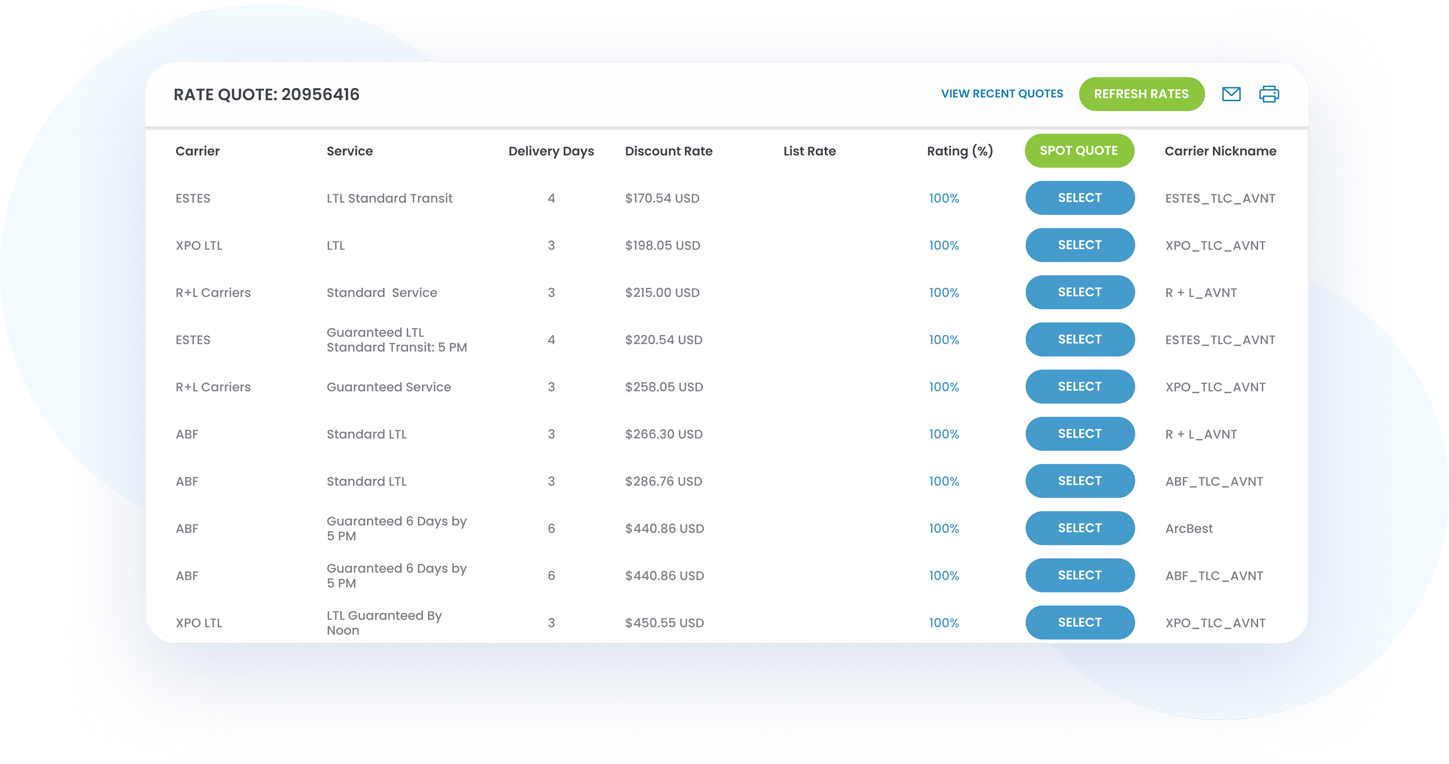
A TMS supplies automated tools that directly address waste.- Rate Shopping and Carrier Optimization: Automated multi-carrier comparisons across lanes yield the best price and service mix.
- Route Optimization: Smart routing reduces distance, improves load consolidation, and shortens transit times.
- Automated Freight Audit: Systematic auditing identifies invoicing mistakes and ensures charges match contracted terms.
- Real-Time Visibility: Ongoing shipment tracking and proactive alerts enable rapid issue resolution.
- Documentation Automation: Auto-generated BOLs and compliance docs cut manual errors.
- Standardizing processes eliminates ad hoc workarounds that previously created costs.
- Batch shipping capabilities improve efficiency for high-volume handling, reducing per-shipment overhead.
- HAZMAT and NMFC automation cut misclassification risks and penalties.
Quantifying the Value: Real-World Outcomes and ROI
Concrete numbers illustrate the impact of a TMS. Freight costs frequently drop by double digits in the first year when lanes are optimized and rates are actively shopped. Operational efficiency rises as planning, dispatch, and settlement tasks become more automated. Better visibility reduces late deliveries, stockouts, and customer complaints.- ROI is driven by faster onboarding, fewer billing disputes, and stronger carrier performance.
- The combination of automation and analytics supports ongoing optimization rather than one-off savings.
Implementation Considerations for Waste Reduction
Start with data quality, governance, and controlled pilots. Clean and normalize carrier data, rates, and documentation to feed the TMS. Establish governance around data quality, access control, and change management. Run a pilot targeting high-spend lanes or underperforming carriers to validate benefits before scaling up.

FreightOptics’ Value Proposition in Waste Reduction
FreightOptics provides a complete TMS with built-in waste-reduction features.
Its broad carrier connectivity enables competitive rate shopping across a large pool of options. Automated auditing and documentation help ensure charges align with contracts. Real-time tracking and analytics drive proactive decision-making and continuous savings.Geographic Signals
The approach works globally, with regional nuance.
In North America, complex lanes and regulatory requirements emphasize the importance of precise NMFC handling and hazmat processes. In Europe and the Asia-Pacific region, multi-country lanes and regulatory diversity heighten the need for standardized data and robust compliance workflows.Conclusion
Waste reduction is achievable with a modern TMS that emphasizes data quality, automation, and visibility.
By targeting the root causes of waste, a TMS delivers sustainable cost control and improved service levels, turning freight management from a cost center into a strategic advantage.FreightOptics is a cloud-based Transportation Management System (TMS) provider focused on end-to-end freight management. The platform aims to give logistics teams real-time visibility, cost control, and operational automation across multi-modal shipping.
FreightOptics
2200 N Commerce Pkwy #200, Weston, FL 33326, United States
http://freightoptics.com/
+18005784939